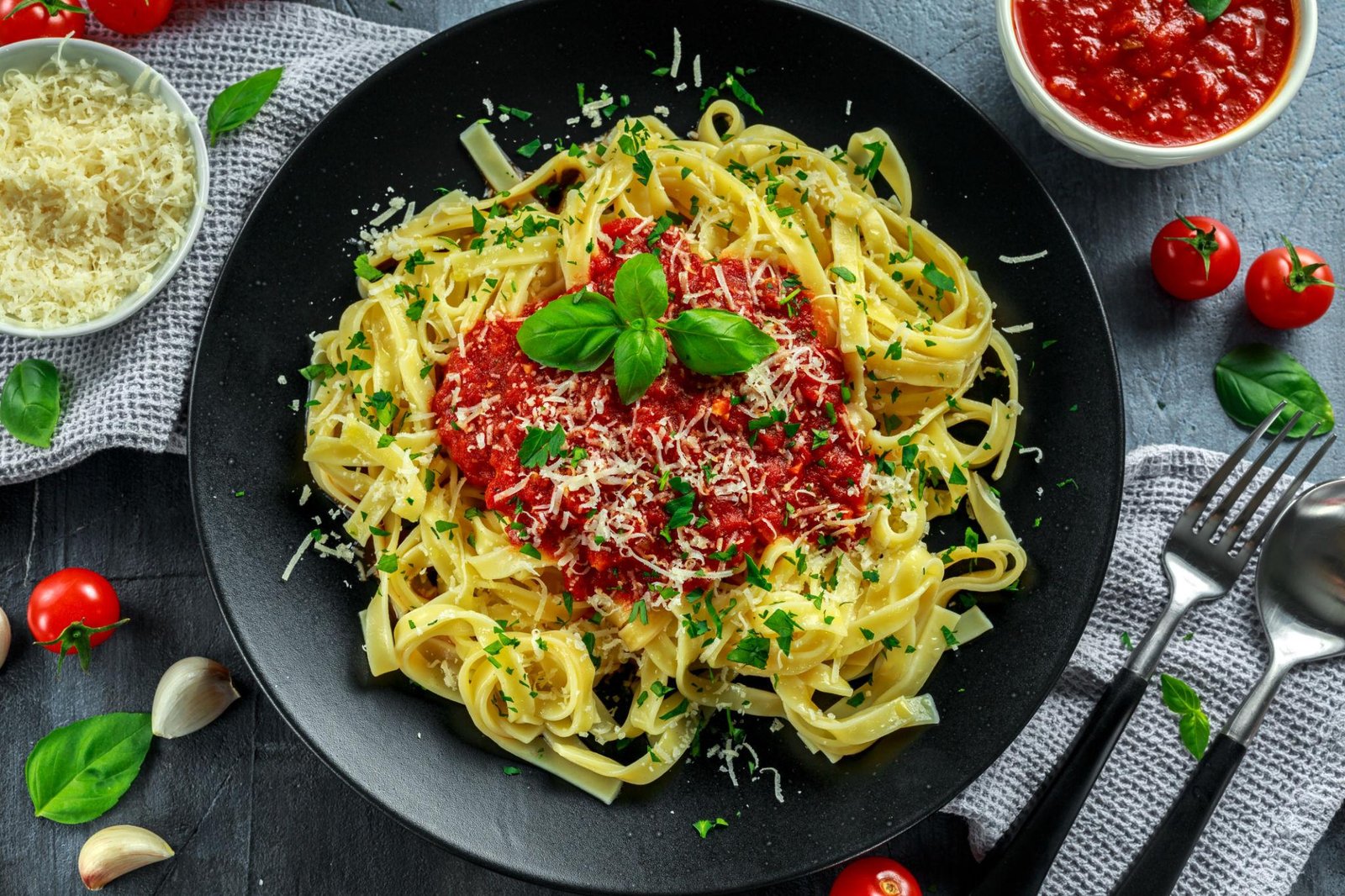
There’s something truly special about homemade pasta. The silky texture, the rich flavor, and the satisfaction of making it with your own hands is an experience store-bought pasta just can’t replicate. While it might sound intimidating, making fresh pasta from scratch requires only a handful of simple ingredients and a bit of patience. Once you try it, you’ll understand why so many home cooks never go back to the boxed stuff.
In this guide, you’ll learn exactly how to make homemade pasta from scratch, including the classic egg pasta dough method, tips for rolling and cutting it perfectly, common mistakes to avoid, and answers to the most frequently asked questions about fresh pasta.
Why Make Pasta from Scratch?
Store-bought dried pasta is convenient, but fresh homemade pasta offers a completely different experience. It has a tender, delicate bite, cooks much faster, and absorbs sauces beautifully because of its slightly porous texture. Making pasta at home also means you control exactly what goes into it — no preservatives, no additives, just flour, eggs, and a little love. Plus, it’s a wonderful activity to do with family or friends, especially around the holidays or a special dinner.
Ingredients You’ll Need
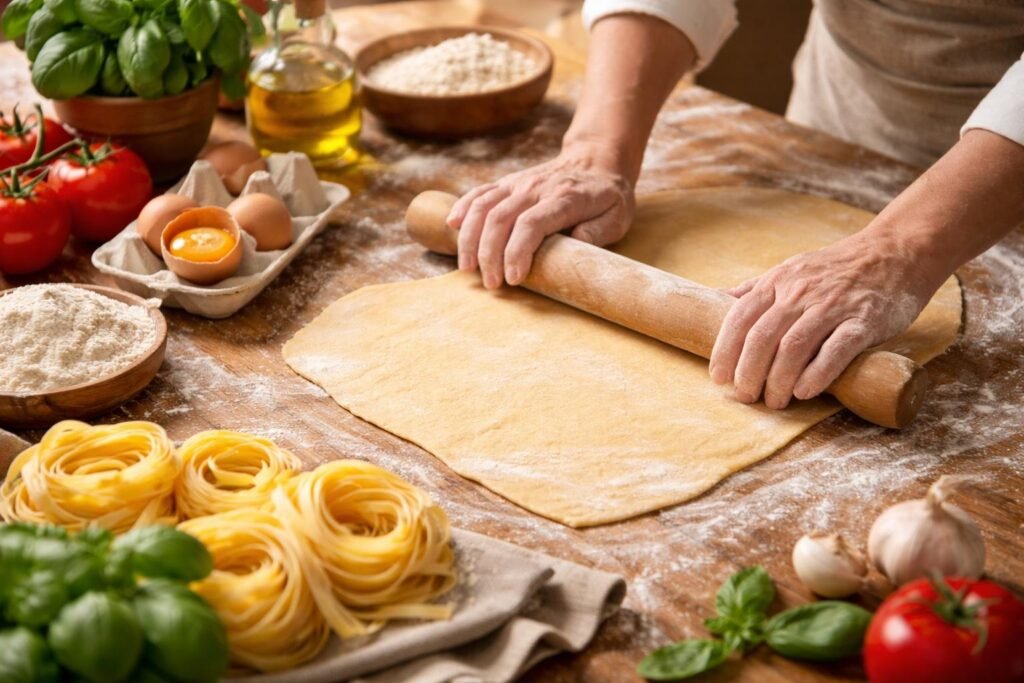
This classic recipe makes enough pasta for about 4 servings.
- All-purpose flour (or “00” flour for a more authentic Italian texture) – 2 cups (about 250g), plus extra for dusting
- Large eggs – 3
- Extra virgin olive oil – 1 tbsp
- Salt – 1/2 tsp
- Water – 1-2 tbsp (only if needed, to adjust dough consistency)
That’s it — just five simple ingredients stand between you and restaurant-quality fresh pasta.
Equipment You’ll Need
- A large, clean work surface (wood or marble countertop works great)
- A fork or whisk
- A rolling pin, or a pasta machine/roller for an even, thin sheet
- A sharp knife or pizza cutter for cutting noodles
- A bench scraper (optional, but helpful)
Step-by-Step Instructions
Step 1: Make the Flour Well
Pour the flour onto your clean work surface and shape it into a mound. Use your hand or a spoon to create a well in the center, wide and deep enough to hold the eggs without spilling over.
Step 2: Add the Eggs
Crack the eggs into the center of the well, then add the olive oil and salt. Using a fork, gently beat the eggs, slowly incorporating a little flour from the inner edges of the well at a time.
Step 3: Bring the Dough Together
Once the mixture becomes too thick to whisk with a fork, use your hands to gradually bring in the remaining flour, folding it into the egg mixture until a shaggy dough forms. If the dough feels too dry and crumbly, add water a teaspoon at a time. If it’s too sticky, sprinkle in a little more flour.
Step 4: Knead the Dough
Knead the dough for about 8-10 minutes until it becomes smooth, elastic, and slightly firm to the touch. This step is essential — proper kneading develops the gluten structure that gives pasta its signature chew. The dough should spring back slightly when you press it with a finger.
Step 5: Let the Dough Rest
Wrap the dough tightly in plastic wrap and let it rest at room temperature for at least 30 minutes (up to 1 hour). Resting relaxes the gluten, making the dough much easier to roll out without springing back or tearing.
Step 6: Roll Out the Dough
Divide the dough into 4 equal portions, keeping the ones you’re not using covered so they don’t dry out. Working with one portion at a time, flatten it slightly and roll it through a pasta machine, starting at the widest setting and gradually working down to a thin sheet. If rolling by hand, use a rolling pin on a floured surface, rolling from the center outward until the sheet is thin enough to see your hand through it.
Step 7: Cut Your Pasta Shape
Once rolled thin, you can cut the pasta into your desired shape:
- Fettuccine or tagliatelle: Lightly dust the sheet with flour, loosely roll it up, and slice into 1/4-inch strips.
- Pappardelle: Cut into wider 3/4-inch strips.
- Ravioli or lasagna sheets: Keep the sheets whole and cut according to your recipe.
Unfurl the cut noodles gently and toss them lightly in flour to prevent sticking.
Step 8: Cook the Pasta
Bring a large pot of generously salted water to a rolling boil. Fresh pasta cooks much faster than dried pasta — usually just 2-4 minutes, depending on thickness. It’s done when it floats to the surface and has a tender yet slightly firm bite. Drain and toss immediately with your favorite sauce.
Pro Tips for Perfect Homemade Pasta
- Use room-temperature eggs — they incorporate into the flour more smoothly than cold eggs straight from the fridge.
- Don’t skip the resting time — it makes rolling significantly easier and prevents the dough from tearing.
- Roll gradually, not all at once — thinning the dough in stages through a pasta machine gives a more even, professional texture.
- Flour generously between cut noodles so they don’t clump together while drying or waiting to be cooked.
- Save some pasta water before draining — the starchy water helps sauces cling beautifully to the noodles.
Common Mistakes to Avoid
- Adding too much flour while kneading — this can make the dough tough and dense instead of silky.
- Skipping the rest period — this leads to dough that’s difficult to roll and shrinks back constantly.
- Rolling the pasta too thick — this results in a gummy, heavy texture once cooked.
- Overcooking fresh pasta — since it cooks so quickly, it’s easy to overdo it; always taste-test a strand a minute or two before you think it’s ready.
Flavor and Ingredient Variations
Once you’ve mastered the basic dough, you can experiment with fun variations:
- Spinach pasta: Blend cooked, well-drained spinach into the egg mixture for a vibrant green dough.
- Whole wheat pasta: Substitute half the all-purpose flour with whole wheat flour for a nuttier flavor and added fiber.
- Herb-infused pasta: Knead finely chopped fresh herbs like basil or parsley into the dough for bursts of flavor and color.
- Squid ink pasta: Add a small amount of squid ink for a dramatic black pasta with a subtle briny flavor, popular in seafood dishes.
Storage Tips
- Fresh, uncooked pasta can be stored in the refrigerator for up to 2 days if tightly wrapped, or dusted with flour and left to air-dry for a few hours before storing.
- To freeze, arrange the cut noodles in small nests on a baking sheet, freeze until solid, then transfer to a freezer bag. Frozen pasta can be cooked directly from frozen — no need to thaw, just add an extra minute or two to the boiling time.
- Dried pasta (fully air-dried) can be stored at room temperature in an airtight container for a few weeks.
Frequently Asked Questions (FAQs)
1. Can I make pasta without eggs? Yes, eggless pasta dough is common in many regions of Italy, especially for shapes like orecchiette. Simply combine flour, water, and a pinch of salt, adjusting the water quantity until you reach a smooth, elastic dough.
2. What type of flour is best for homemade pasta? “00” flour is the traditional Italian choice because of its fine texture, but all-purpose flour works perfectly well for home cooks and produces excellent results.
3. Do I need a pasta machine to make fresh pasta? Not necessarily. A rolling pin works fine, though it requires more effort and patience to get the dough thin and even. A pasta machine simply makes the process faster and more consistent.
4. How long does fresh pasta take to cook? Fresh pasta cooks much faster than dried pasta, typically in just 2-4 minutes in boiling salted water, depending on thickness and shape.
5. Why is my pasta dough too sticky or too dry? This usually comes down to egg size and flour measurement, which can vary. Add flour a little at a time if the dough is sticky, or add water a teaspoon at a time if it’s too dry and crumbly.
6. Can I make pasta dough in advance? Yes, the dough can be made a day ahead and stored tightly wrapped in the refrigerator. Let it come to room temperature before rolling for easier handling.
Final Thoughts
Making homemade pasta from scratch is easier than most people expect, and the results are absolutely worth the effort. With just flour, eggs, and a little technique, you can create silky, flavorful pasta that pairs beautifully with any sauce you love — from a simple garlic and olive oil toss to a rich Bolognese. Once you get the hang of the process, it becomes a rewarding kitchen ritual you’ll want to repeat again and again.
So grab your ingredients, clear off your counter, and give this homemade pasta recipe a try — your taste buds will thank you!