Meta Description: Master this homemade beef gravy recipe with simple pantry ingredients. Learn the technique behind a smooth, flavorful gravy that elevates roasts, mashed potatoes, and more.
The Sauce That Ties a Meal Together
Good gravy has a way of turning an ordinary meal into something people remember. I learned to make beef gravy the hard way — through a few lumpy, under-seasoned batches before I finally understood what was actually happening in the pan. Once you understand the basic technique, though, beef gravy becomes one of the easiest and most rewarding sauces you can make from scratch.
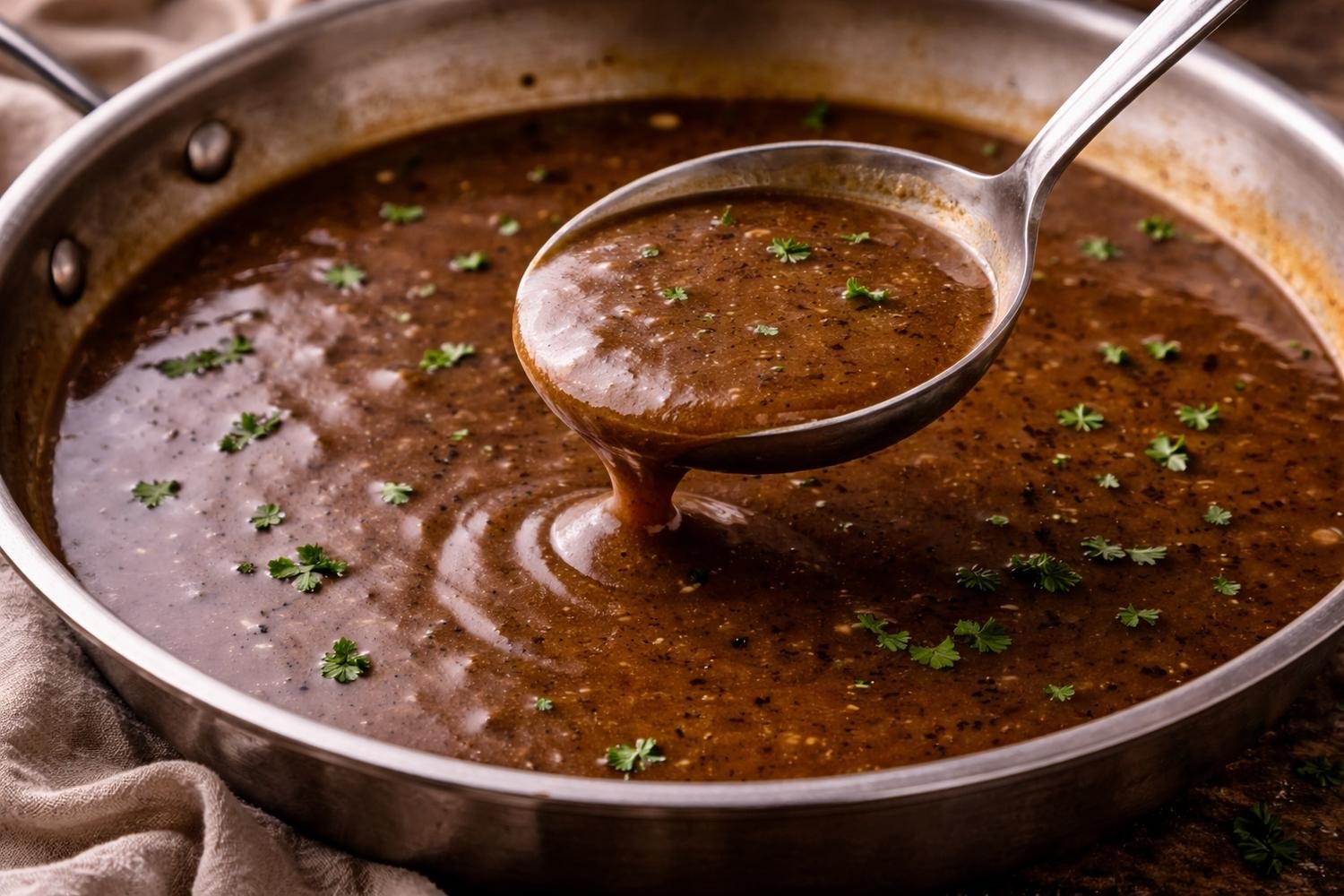
At its core, beef gravy is built on two things: a flavorful liquid (usually beef broth or pan drippings) and a thickener (typically a roux made from fat and flour). Everything else — the seasoning, the depth, the silkiness — comes down to technique and patience.
Why Homemade Beef Gravy Is Worth the Effort
Store-bought gravy packets can be convenient, but they rarely compare to the flavor of a gravy built from real drippings or a well-seasoned broth. Homemade gravy lets you control the salt, the thickness, and the flavor profile entirely, and it’s genuinely not difficult once you know the steps.
Ingredients
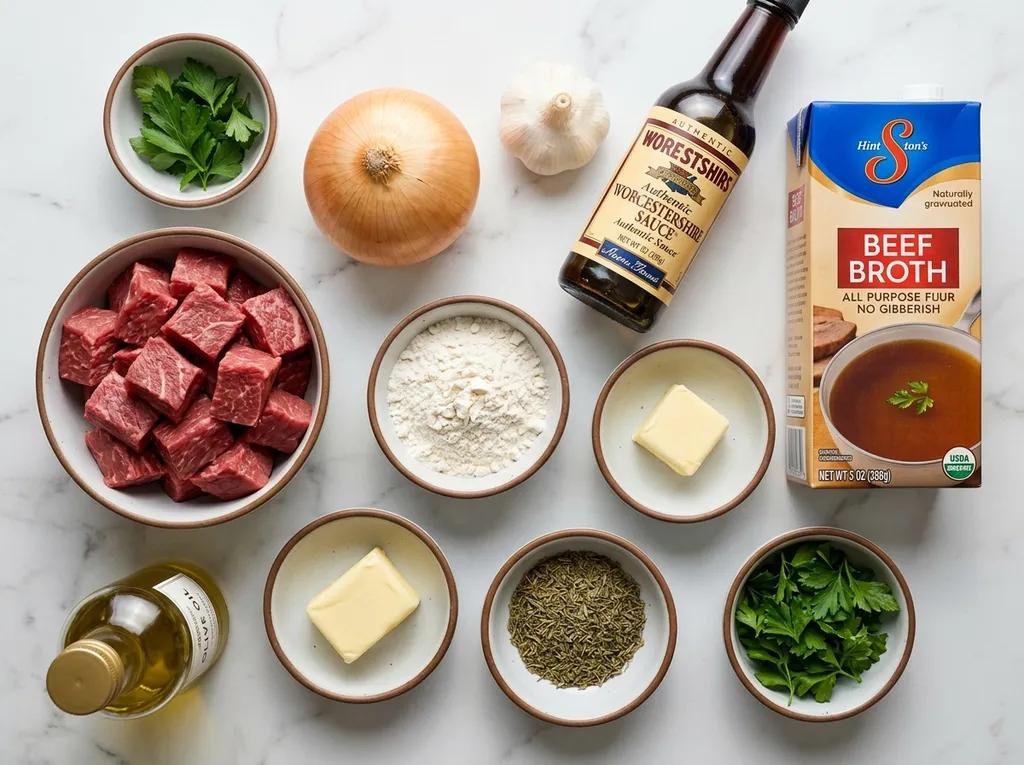
- 4 tablespoons unsalted butter (or beef drippings from a roast, if available)
- 4 tablespoons all-purpose flour
- 3 cups beef broth (low sodium is best, so you can control the seasoning yourself)
- 1 tablespoon Worcestershire sauce
- 1 small onion, finely minced (optional, for extra depth)
- 1 clove garlic, minced (optional)
- Salt and black pepper to taste
- A splash of soy sauce or a pinch of beef bouillon for extra umami (optional)
Step-by-Step Method
Step 1: Build the roux. In a saucepan over medium heat, melt the butter (or use drippings from your roast). If using onion and garlic, sauté them for 2-3 minutes until fragrant and softened. Sprinkle the flour evenly over the fat, whisking constantly. Cook this mixture, called a roux, for about 2 minutes until it turns a light golden color and smells slightly nutty. This step is crucial — undercooked flour will leave your gravy tasting raw and pasty.
Step 2: Add the liquid gradually. Reduce the heat slightly and pour in the beef broth a little at a time, whisking continuously. Adding the liquid slowly and whisking as you go is the single most important step for avoiding lumps. If you dump all the broth in at once, the roux won’t be able to absorb it evenly.
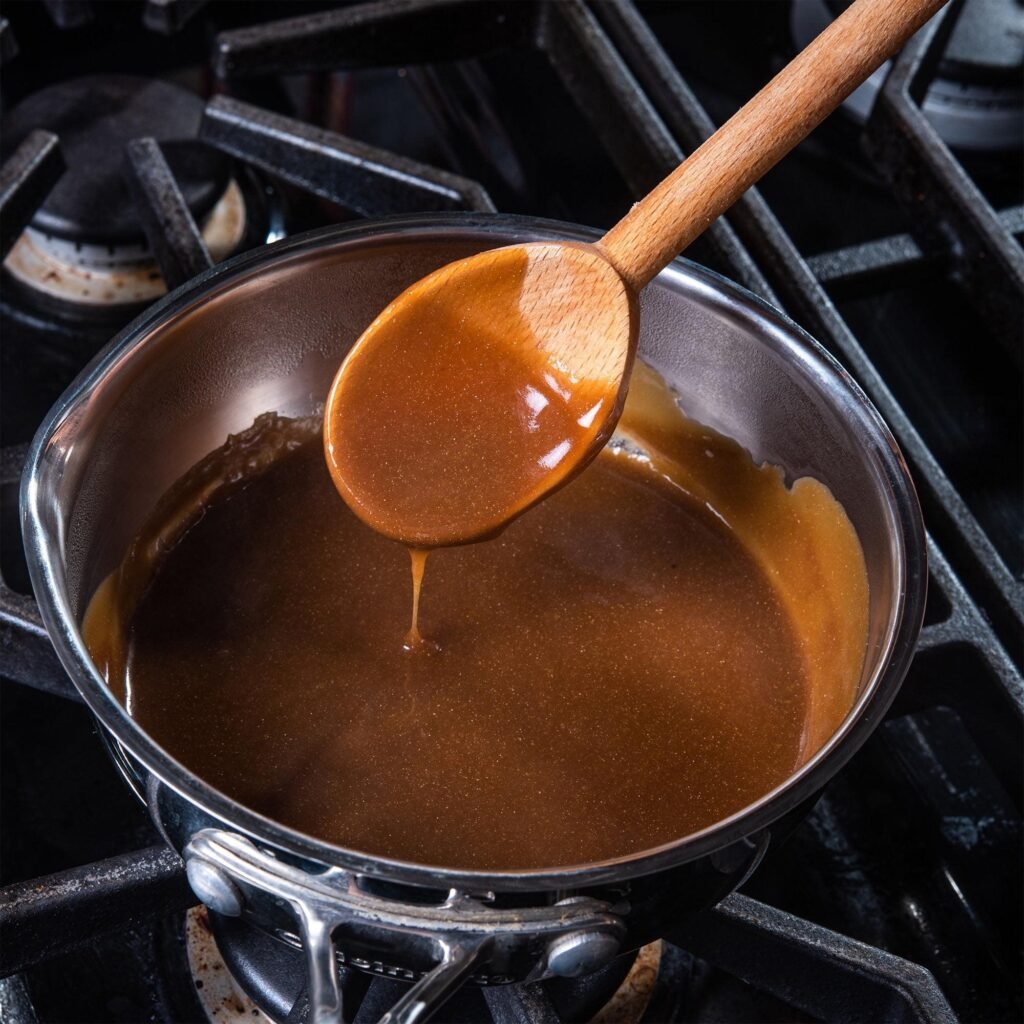
Step 3: Simmer and thicken. Once all the broth is incorporated, bring the mixture to a gentle simmer. Stir in the Worcestershire sauce. Let it simmer for 5-8 minutes, stirring occasionally, until the gravy coats the back of a spoon. It will continue to thicken slightly as it cools, so don’t overcook it to the point of being too thick on the stove.
Step 4: Season and finish. Taste and adjust with salt, pepper, and a splash of soy sauce or a pinch of bouillon if you want more depth. If the gravy turns out too thick, thin it with a little more broth or water. If it’s too thin, mix a teaspoon of cornstarch with cold water and whisk it in, simmering for another minute or two.
Step 5: Strain for silkiness (optional). For an ultra-smooth, restaurant-style gravy, pass it through a fine mesh strainer before serving. This removes any small lumps or bits of onion, leaving behind a glossy, uniform sauce.
Using Pan Drippings for Extra Flavor
If you’ve just roasted beef, don’t waste those flavorful browned bits stuck to the bottom of the pan. After removing the roast, pour off excess fat but leave about 2-4 tablespoons in the pan. Place the pan over medium heat, add your flour to create the roux directly in the drippings, and scrape up the browned bits (this is called deglazing) as you whisk in the broth. This method produces a noticeably deeper, more complex gravy than using broth alone.
Common Mistakes and How to Avoid Them
- Lumpy gravy: Usually caused by adding liquid too quickly or not whisking constantly. Slow and steady wins here.
- Raw, pasty flavor: This happens when the roux isn’t cooked long enough before adding liquid. Give it at least 1-2 minutes of cooking time.
- Too salty: Using regular broth or bouillon alongside salty additions like Worcestershire and soy sauce can stack up quickly. Always taste before adding extra salt.
- Too thin: Simmer longer to reduce and thicken naturally, or use a cornstarch slurry for a quick fix.
Storage Tips
Beef gravy stores well in the refrigerator for up to 3-4 days in an airtight container. It also freezes nicely for up to 3 months — just note that it may separate slightly upon thawing, so whisk it well while reheating gently on the stovetop, adding a splash of broth or water if it’s thickened too much.
Frequently Asked Questions
Can I make beef gravy without drippings? Yes. A good quality beef broth combined with Worcestershire sauce and a properly cooked roux can produce a rich, flavorful gravy even without pan drippings.
What’s the difference between gravy and sauce? Gravy is typically made from meat juices or broth thickened with flour or cornstarch, while sauces can be built from a wider range of bases, including cream, wine, or vegetables, and don’t always rely on a roux.
Can I make beef gravy ahead of time? Yes, beef gravy can be made a day or two in advance and reheated gently on the stove. This is especially helpful for holiday meals when oven space and stovetop burners are in high demand.