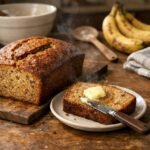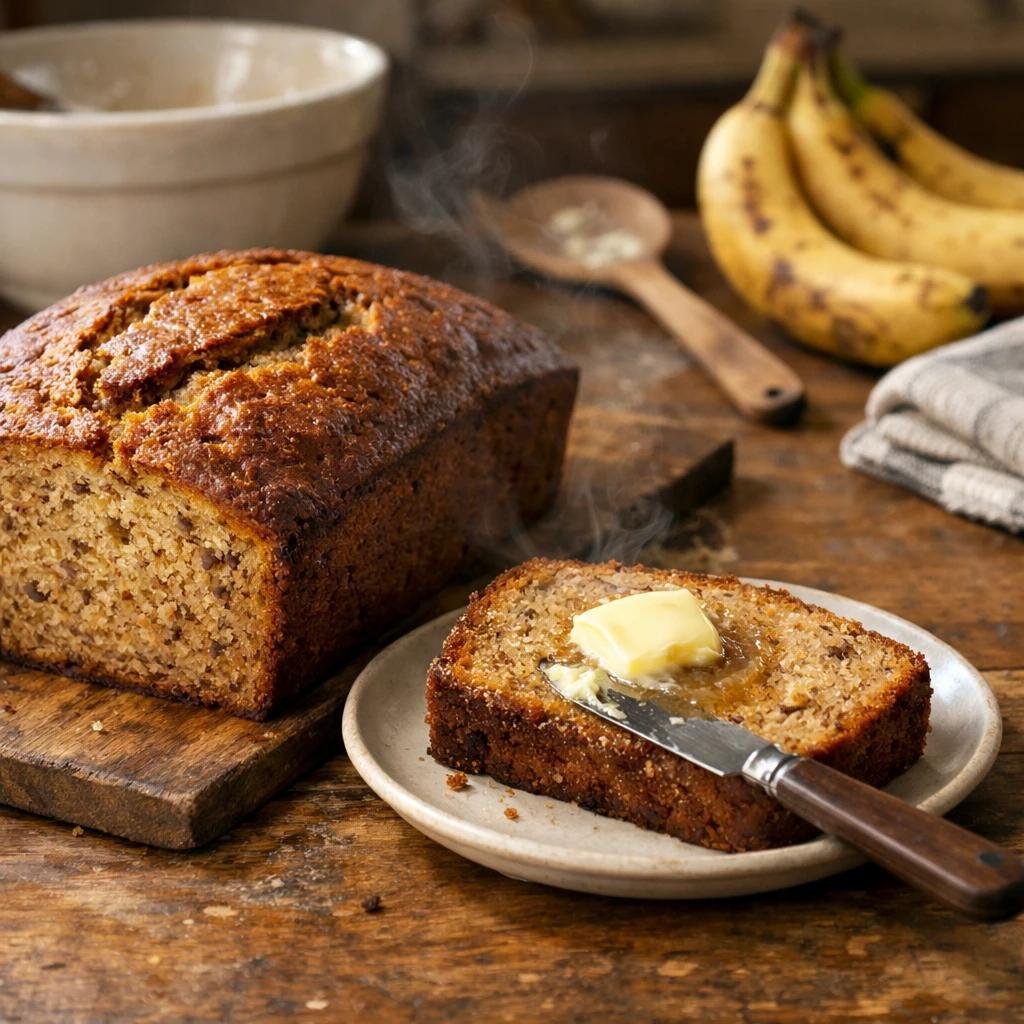
Running out of baking soda doesn’t mean you have to skip your banana bread craving. This banana bread recipe without baking soda proves that you can still achieve a soft, moist, perfectly rising loaf using baking powder instead, along with a few smart techniques to make sure your bread turns out just as fluffy and delicious as the traditional version.
In this guide, you’ll find a complete step-by-step recipe for banana bread made without baking soda, along with helpful tips, ingredient substitutions, flavor variations, and answers to common questions about baking without this common pantry staple.
Why Skip Baking Soda? And Does It Actually Work?
Baking soda and baking powder are both leavening agents, but they work slightly differently. Baking soda needs an acidic ingredient (like buttermilk, yogurt, or brown sugar) to activate and produce the gas bubbles that make baked goods rise. Baking powder, on the other hand, already contains its own acid and simply needs moisture and heat to activate — which means it can leaven baked goods entirely on its own, without needing an additional acidic ingredient.
This makes baking powder a perfectly capable substitute for banana bread, especially since ripe bananas themselves are only mildly acidic and don’t always provide enough acidity to fully activate baking soda anyway. With the right ratio of baking powder, you can achieve a wonderfully soft, well-risen loaf without baking soda at all.
Ingredients You’ll Need
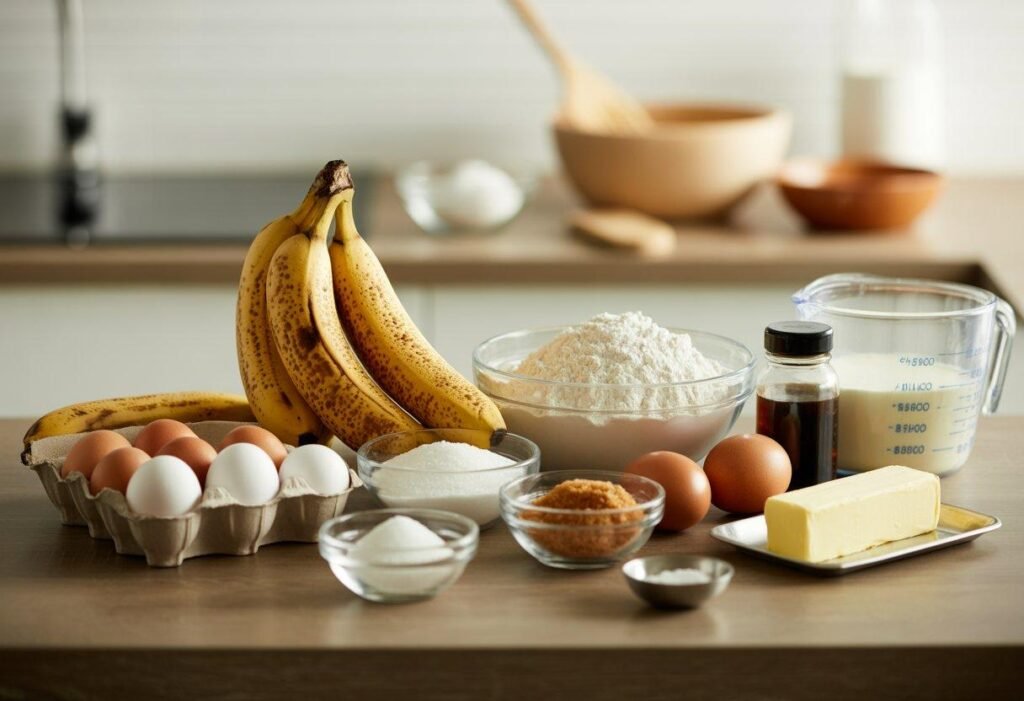
This recipe makes one standard 9×5-inch loaf.
- Ripe bananas – 3 medium (the riper and spottier, the better)
- All-purpose flour – 2 cups (250g)
- Baking powder – 2 tsp
- Salt – 1/2 tsp
- Ground cinnamon – 1/2 tsp (optional, but adds nice warmth)
- Unsalted butter, melted and slightly cooled – 1/2 cup (1 stick)
- Granulated sugar – 3/4 cup
- Large eggs – 2
- Vanilla extract – 1 tsp
- Plain yogurt or sour cream – 1/4 cup (adds moisture and richness)
Optional add-ins:
- Chopped walnuts or pecans – 1/2 cup
- Chocolate chips – 1/2 cup
Step-by-Step Instructions
Step 1: Preheat and Prep
Preheat your oven to 350°F (175°C). Grease a 9×5-inch loaf pan or line it with parchment paper, leaving a slight overhang on the sides for easy removal later.
Step 2: Mash the Bananas
In a large mixing bowl, mash the ripe bananas with a fork until mostly smooth, with just a few small lumps remaining for texture.
Step 3: Mix the Dry Ingredients
In a separate bowl, whisk together the flour, baking powder, salt, and cinnamon if using. Whisking the dry ingredients together first ensures the baking powder is evenly distributed throughout the flour, which helps the bread rise consistently.
Step 4: Combine the Wet Ingredients
To the mashed bananas, add the melted butter, sugar, eggs, vanilla extract, and yogurt or sour cream. Whisk until well combined and smooth.
Step 5: Fold in the Dry Ingredients
Add the dry ingredient mixture to the wet ingredients, folding gently with a spatula just until combined. Be careful not to overmix at this stage — overworking the batter develops too much gluten, which can result in a dense, tough loaf instead of a soft, tender one.
Step 6: Add Mix-Ins (Optional)
If using, gently fold in the chopped nuts or chocolate chips at this point.
Step 7: Pour and Bake
Pour the batter into the prepared loaf pan, smoothing the top with a spatula. Bake for 55-65 minutes, or until a toothpick inserted into the center comes out clean or with just a few moist crumbs attached.
Step 8: Cool Before Slicing
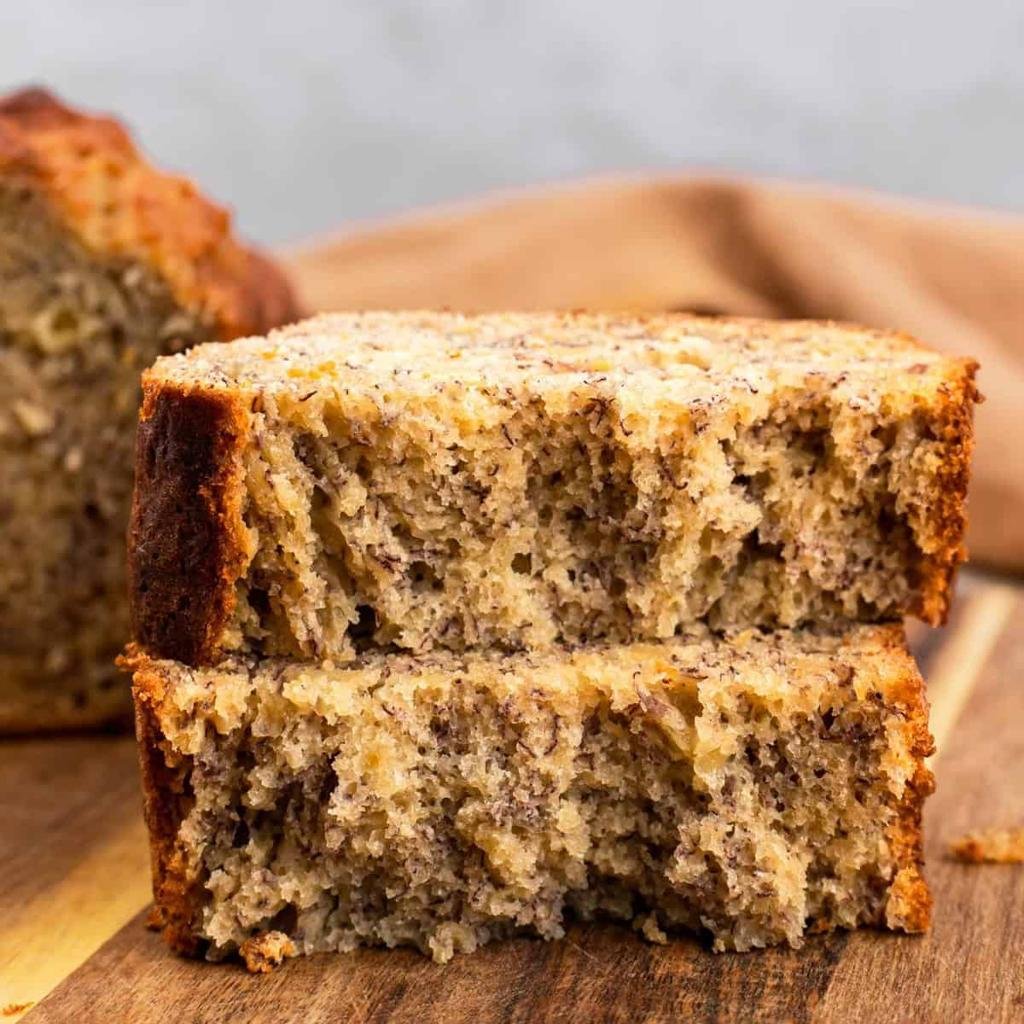
Let the bread cool in the pan for about 10 minutes, then transfer it to a wire rack to cool completely before slicing. Cutting into it too early can cause the bread to crumble or fall apart, since it’s still finishing its internal structure as it cools.
Pro Tips for the Best Banana Bread Without Baking Soda
- Use very ripe, spotty bananas — the riper the banana, the sweeter and more flavorful your bread will be, and overripe bananas also mash more easily into a smooth consistency.
- Don’t skip the yogurt or sour cream — this ingredient adds essential moisture and helps compensate for not using baking soda, keeping the bread soft and tender.
- Measure your baking powder accurately — since baking powder is doing all the leavening work in this recipe, using slightly more than a standard baking soda recipe (which typically also includes baking powder) helps ensure a proper rise.
- Don’t overmix the batter — mix just until the dry ingredients disappear into the wet ingredients; a few small lumps are perfectly fine.
- Check for doneness with a toothpick, not just visual color — ovens vary, and a golden top doesn’t always mean the center is fully baked through.
Common Mistakes to Avoid
- Using underripe bananas — bananas that aren’t ripe enough won’t provide the deep flavor or natural sweetness that makes banana bread so delicious.
- Overmixing the batter — this is one of the most common banana bread mistakes and results in a dense, tough, gummy texture rather than a soft, tender crumb.
- Opening the oven door too early — this can cause a sudden temperature drop that affects the bread’s rise; try to wait until at least the 45-minute mark before checking.
- Slicing too soon — banana bread needs time to cool and set; cutting into it while still warm can cause it to fall apart or seem gummy in the center even when fully baked.
Ingredient Substitutions
- No yogurt or sour cream on hand? Buttermilk or even a splash of milk with a teaspoon of lemon juice works as a substitute, though it will slightly change the texture.
- Want a dairy-free version? Use melted coconut oil instead of butter, and a plant-based yogurt alternative in place of regular yogurt.
- No all-purpose flour? A 1:1 gluten-free flour blend can generally be substituted for a gluten-free version, though texture may vary slightly.
- Want it less sweet? Reduce the sugar to 1/2 cup; the ripe bananas already provide significant natural sweetness.
Flavor Variations to Try
Banana Nut Bread
Fold in 1/2 cup of chopped walnuts or pecans for extra crunch and a classic, nutty flavor.
Chocolate Chip Banana Bread
Add 1/2 to 3/4 cup of semi-sweet chocolate chips to the batter for a sweeter, more indulgent version that’s especially popular with kids.
Cinnamon Streusel Banana Bread
Top the batter with a simple streusel made from flour, brown sugar, cinnamon, and melted butter before baking for a bakery-style finish.
Peanut Butter Banana Bread
Swirl 1/3 cup of creamy peanut butter into the batter before baking for a rich, nutty flavor throughout the loaf.
Blueberry Banana Bread
Gently fold in 1 cup of fresh or frozen blueberries (tossed lightly in flour first to prevent sinking) for bursts of fruity flavor in every slice.
Storage Tips
- Room temperature: Store banana bread wrapped tightly in plastic wrap or in an airtight container at room temperature for up to 4 days.
- Refrigerator: For longer freshness, refrigerate for up to a week, though the bread may firm up slightly; let it come to room temperature before serving for the best texture.
- Freezer: Banana bread freezes wonderfully. Wrap the whole loaf or individual slices tightly in plastic wrap and foil, and freeze for up to 3 months. Thaw at room temperature or gently warm in the microwave before serving.
Frequently Asked Questions (FAQs)
1. Can I really make banana bread without baking soda? Yes, baking powder works perfectly well as a substitute since it contains its own acid and doesn’t require an additional acidic ingredient to activate, unlike baking soda.
2. Will my banana bread rise properly without baking soda? Yes, as long as you use an appropriate amount of baking powder (this recipe uses 2 teaspoons for one loaf) and avoid overmixing the batter, your bread will rise nicely.
3. Why is my banana bread dense and heavy? This is usually caused by overmixing the batter, using underripe bananas, or not using enough leavening agent. Make sure to mix just until combined and use very ripe bananas for the best texture and flavor.
4. Can I use frozen bananas for this recipe? Yes, frozen bananas work great once thawed. Just drain any excess liquid that accumulates during thawing before mashing and adding them to the batter.
5. How do I know when banana bread is fully baked? Insert a toothpick into the center of the loaf; it should come out clean or with just a few moist crumbs attached, not wet batter. This is more reliable than judging by color alone.
6. Can I double this recipe? Yes, this recipe can easily be doubled to make two loaves. Just be sure to use two separate loaf pans rather than one larger pan, since baking times can vary significantly with pan size.
Final Thoughts
This banana bread recipe proves that you don’t need baking soda to achieve a soft, moist, perfectly risen loaf. With ripe bananas, a bit of yogurt for moisture, and the right amount of baking powder, you’ll end up with banana bread that’s just as delicious as any traditional recipe. Whether you keep it simple or add your favorite mix-ins, this easy, no-baking-soda version is sure to become a reliable go-to whenever a banana bread craving strikes.
Grab those overripe bananas sitting on your counter, and give this easy recipe a try — your kitchen is about to smell amazing!