I used to think you had to pick a side. Marinara or alfredo, red or white.
Then I made pink sauce pasta, and realized nobody actually has to choose.
It’s tomato sauce and cream, combined into something richer than marinara and lighter than alfredo. This is the pasta that quietly wins every dinner table debate.
Why This Recipe Works
Starting with a real tomato base instead of jarred marinara gives you more control over flavor and keeps the sauce from tasting overly sweet or one-note.
Adding the cream at the end, off high heat, is what keeps the sauce smooth instead of curdled or separated. 🍅
A generous handful of parmesan stirred in at the finish thickens everything slightly and adds that salty, savory depth that ties the tomato and cream together.
What You’ll Need
| Ingredient | Amount |
|---|---|
| Olive oil | 2 tbsp |
| Yellow onion, diced | 1/2 medium |
| Garlic, minced | 3 cloves |
| Tomato paste | 2 tbsp |
| Crushed tomatoes | 28 oz can |
| Dried oregano | 1 tsp |
| Red pepper flakes | 1/4 tsp (optional) |
| Salt | 1 tsp, plus more to taste |
| Black pepper | 1/2 tsp |
| Heavy cream | 3/4 cup |
| Grated parmesan cheese | 1/2 cup, plus more for serving |
| Penne or rigatoni pasta | 1 lb |
| Fresh basil, chopped | for topping |
I like penne or rigatoni here since the ridges hold onto the sauce well, but any pasta shape works.
Tools You’ll Need
- Large deep skillet or pot
- Pot, for cooking the pasta
- Wooden spoon
- Cutting board and knife
- Measuring cups and spoons
Pro Tips
1. Cook the tomato paste for a full minute before adding the crushed tomatoes. This deepens its flavor significantly and keeps the sauce from tasting flat.
2. Let the tomato sauce simmer on its own for at least 15 minutes before adding cream. This gives it time to reduce and concentrate, which makes for a much richer final sauce.
3. Lower the heat before adding the cream. Adding cream over high heat increases the risk of it separating or curdling.
4. Save a cup of pasta water before draining. A splash added to the finished sauce helps it cling to the noodles and loosens it up if it’s too thick.
5. Add the parmesan gradually, stirring as you go. Dumping it in all at once can cause clumping instead of a smooth, even melt.
Substitutions and Variations
- Vegetarian is already covered: This recipe is naturally vegetarian as written.
- Add protein: Stir in cooked, crumbled Italian sausage or grilled chicken for a heartier dinner.
- Vegan version: Use a plant-based cream and a dairy-free parmesan alternative.
- Spicier version: Increase the red pepper flakes, or add a splash of chili oil at the end.
- Extra veggies: Stir in sautéed spinach or mushrooms along with the sauce.
- Vodka sauce twist: Add a splash of vodka after the tomato paste, letting it cook off for a minute before adding the crushed tomatoes, for a slightly different classic variation.
Make Ahead Tips
The sauce can be made up to 4 days ahead and stored in the fridge, or frozen for up to 3 months.
I’d recommend cooking the pasta fresh each time you serve it, since it holds up better than sitting pre-cooked in the sauce for days.
How to Make It
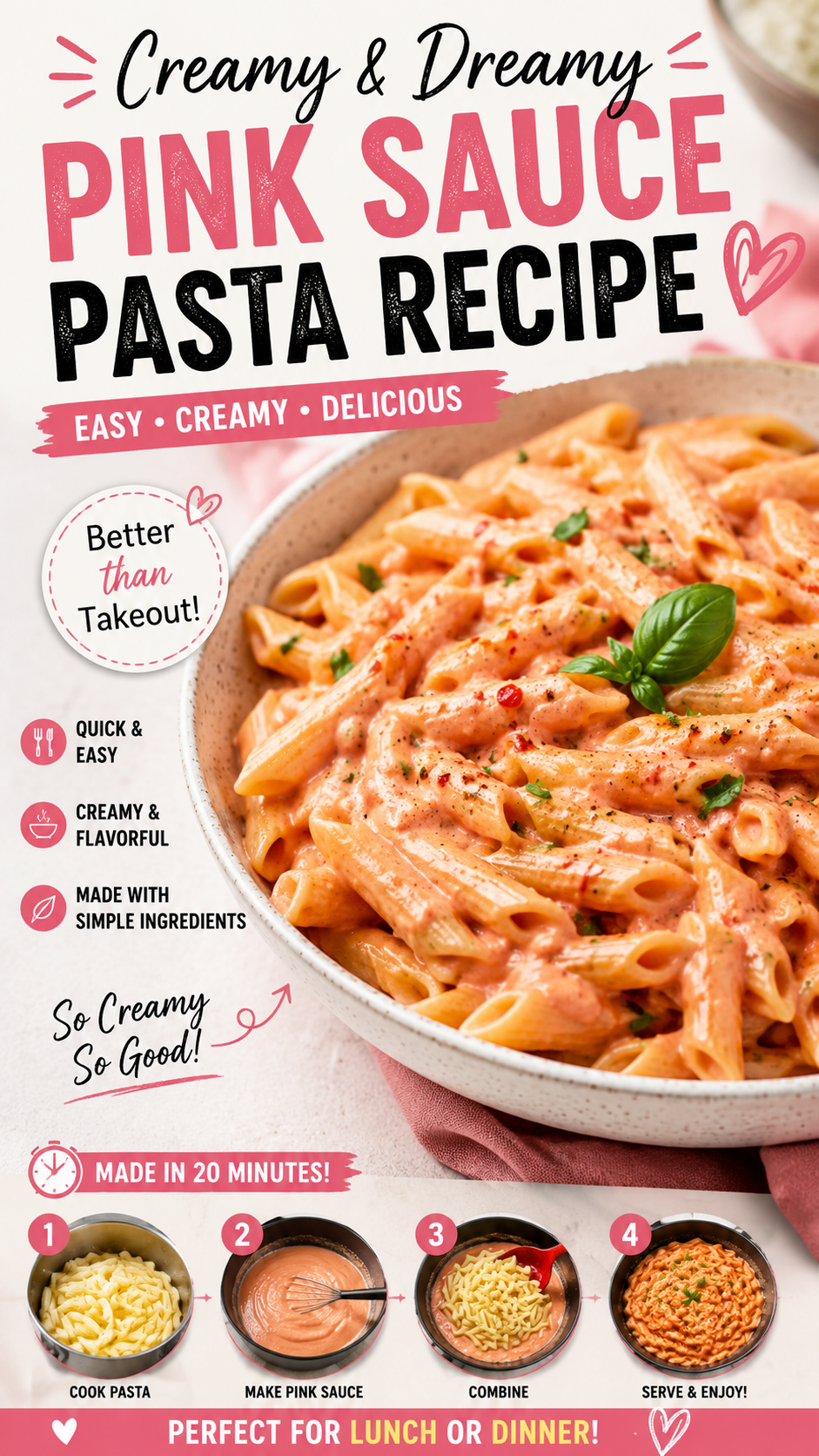
- Heat the olive oil in a large skillet over medium heat. Add the onion and cook for 4 to 5 minutes, until softened.
- Add the garlic and cook for 30 seconds, until fragrant.
- Stir in the tomato paste and cook for 1 minute.
- Add the crushed tomatoes, oregano, red pepper flakes, salt, and pepper.
- Bring to a simmer, then reduce heat to low. Cook uncovered for 15 to 20 minutes, stirring occasionally.
- Meanwhile, bring a large pot of salted water to a boil and cook the pasta according to package instructions. Reserve 1 cup of pasta water before draining.
- Lower the heat under the sauce, then stir in the heavy cream.
- Add the parmesan cheese gradually, stirring until melted and smooth.
- Add the drained pasta directly to the sauce, tossing to coat. Add a splash of reserved pasta water if needed to loosen the sauce.
- Top with fresh basil and extra parmesan before serving.
Nutrition and Diet Notes
Here’s roughly what you’re working with per serving (recipe serves 6):
- Calories: about 420
- Protein: about 13g
- Fat: about 17g
For a lighter version, swap the heavy cream for half and half, though the sauce will be slightly thinner.
What to Serve It With
- A simple side salad with a light vinaigrette
- Garlic bread for soaking up extra sauce
- A glass of red wine alongside it
Leftovers and Storage
Store leftovers in an airtight container in the fridge for up to 4 days.
Reheat gently on the stovetop over low heat with a splash of milk or broth to loosen the sauce, since it thickens quite a bit once chilled.
This dish doesn’t freeze particularly well since cream-based sauces can separate once thawed.
FAQ
Why did my sauce separate or curdle?
This usually happens if the cream is added over high heat. Lower the heat first, then stir the cream in slowly.
Can I make this without heavy cream?
Yes, half and half or a plant-based cream alternative both work, though the sauce will be lighter and slightly less rich.
Is this sauce very spicy?
Not as written, the red pepper flakes are optional and add just a gentle warmth. Skip them entirely for a completely mild sauce.
Can I use jarred marinara instead of making the tomato base from scratch?
Yes, in a pinch you can skip straight to simmering a jar of marinara before adding the cream, though the flavor will be slightly different.
Can I double this recipe?
Yes, just use a larger pot and give the sauce a little extra time to reduce properly before adding the cream.
Wrapping Up
This pasta has become my answer for nights when nobody at the table can agree on red sauce or white sauce.
It’s rich, comforting, and somehow manages to taste like the best parts of both, without picking a side.
If you make this, come back and tell me if you added protein, or tried the vodka sauce twist. 🍝
I’d love to hear how yours turned out.