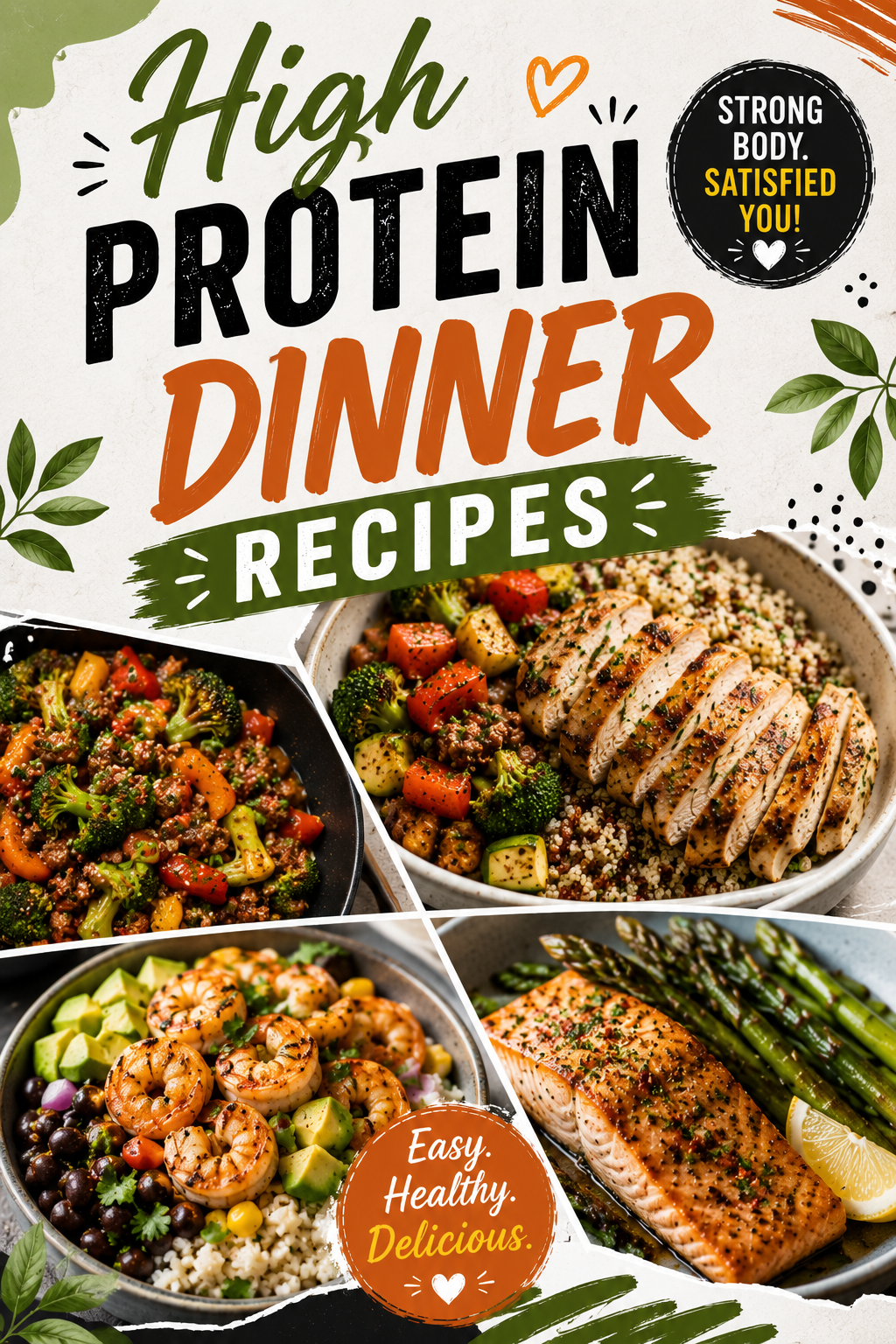
I got tired of high protein dinners that tasted like punishment. Dry chicken breast, plain rice, maybe a sad side of broccoli if I was feeling generous.
This skillet changed that completely. It’s rich, garlicky, and still lands well over 40 grams of protein per serving without a single protein shake involved.
Why This Recipe Works
Chicken thighs bring more protein and flavor to the table than people give them credit for, especially when they’re seared first for a golden crust.
The real protein boost comes from cottage cheese blended into the sauce. Blended smooth, it disappears completely into a creamy, garlicky base, no lumps, no weird texture, just extra protein hiding in plain sight. 💪
Cooking the rice directly in the same skillet means it soaks up all that flavor instead of sitting on the side as an afterthought.
What You’ll Need
| Ingredient | Amount |
|---|---|
| Boneless, skinless chicken thighs | 1.5 lbs |
| Salt | 1 tsp, plus more to taste |
| Black pepper | 1/2 tsp |
| Olive oil | 1 tbsp |
| Garlic, minced | 4 cloves |
| Chicken broth | 2 cups |
| Long grain white rice | 1 cup |
| Cottage cheese | 3/4 cup |
| Grated parmesan cheese | 1/2 cup |
| Fresh spinach | 2 cups |
| Fresh parsley, chopped | for topping |
Blending the cottage cheese is what makes this work, so don’t skip that step even if you’re tempted to just stir it in whole.
Tools You’ll Need
- Large deep skillet with a lid
- Blender or immersion blender
- Tongs
- Wooden spoon
- Measuring cups and spoons
Pro Tips
1. Sear the chicken thighs without moving them for the first few minutes. This is what builds that golden crust, and constantly flipping them prevents it from forming.
2. Blend the cottage cheese until completely smooth before adding it. A few seconds in a blender turns it into something closer to a creamy sauce base instead of a lumpy topping.
3. Rinse the rice before cooking. This removes excess starch and keeps the finished dish from turning gummy.
4. Keep the lid on while the rice simmers. Lifting it lets steam escape, which throws off the cook time and can leave you with undercooked rice.
5. Stir in the spinach at the very end. It wilts almost instantly with residual heat, so adding it too early just leaves you with mushy greens.
Substitutions and Variations
- Different protein: Boneless chicken breast works too, just watch the cook time since it can dry out faster than thighs.
- Dairy-free: Skip the cottage cheese and parmesan, and use a plant-based cream substitute for a similar texture, though the protein count will drop.
- Extra protein boost: Stir in a scoop of unflavored protein powder along with the broth for an even higher protein count.
- Different greens: Kale or arugula both work in place of spinach.
- Brown rice version: Swap in brown rice, but plan for a longer simmer time, closer to 35 to 40 minutes.
- Spicy version: Add a pinch of red pepper flakes with the garlic for some heat.
Make Ahead Tips
You can season the chicken and blend the cottage cheese sauce up to a day ahead, storing both separately in the fridge.
This dish also reheats well, which makes it a solid option for meal prepping a few servings at once.
How to Make It
- Season the chicken thighs with salt and pepper on both sides.
- Heat the olive oil in a large skillet over medium-high heat. Sear the chicken for 4 to 5 minutes per side, until golden. Remove and set aside.
- In the same skillet, add the garlic and cook for 30 seconds, until fragrant.
- Add the chicken broth and rice, stirring to combine and scraping up any browned bits from the bottom.
- Blend the cottage cheese until smooth, then stir it into the skillet along with the parmesan.
- Nestle the chicken back into the skillet, cover, and reduce heat to low.
- Simmer for 18 to 20 minutes, until the rice is tender and the chicken is fully cooked.
- Stir in the fresh spinach and let it wilt for 1 to 2 minutes.
- Taste and adjust seasoning with more salt and pepper as needed.
- Top with fresh parsley and serve hot straight from the skillet.
Nutrition and Diet Notes
Here’s roughly what you’re working with per serving (recipe serves 4):
- Calories: about 480
- Protein: about 44g
- Carbohydrates: about 38g
For a lower carb version, swap the rice for cauliflower rice and reduce the broth slightly since cauliflower releases its own moisture.
What to Serve It With
- A simple side salad with a light vinaigrette
- Steamed asparagus or roasted broccoli
- A slice of crusty bread if you’re not tracking carbs closely
Leftovers and Storage
Store leftovers in an airtight container in the fridge for up to 4 days.
Reheat in the microwave in 30-second bursts, or on the stovetop over low heat with a splash of broth to loosen the rice back up.
This dish freezes reasonably well, though the rice texture softens slightly once thawed. Store in a freezer-safe container for up to 2 months.
FAQ
Can I really not taste the cottage cheese?
Once it’s fully blended, it disappears into the sauce. It adds creaminess and protein without any noticeable cottage cheese flavor or texture.
Can I use a different type of rice?
Yes, jasmine or basmati both work well in place of long grain white rice, with similar cook times.
Why is my rice undercooked?
This usually means the lid was lifted during cooking, letting too much steam escape. Keep it covered the entire simmer time for the best results.
Can I make this dish ahead for meal prep?
Yes, it holds up well in the fridge for several days and reheats easily, making it a solid meal prep option.
Is this dish very high in sodium?
It can be, depending on your broth and cheese choices. Using low-sodium broth and cheese helps keep it in check if that’s a concern for you.
Wrapping Up
This dinner proved to me that hitting high protein numbers doesn’t mean giving up flavor or comfort.
It’s become one of my go-to dinners specifically because it feels indulgent while quietly doing a lot of nutritional heavy lifting.
If you make this, come back and tell me if you tried the extra protein powder boost, or swapped in a different green. 🥬
I’d love to hear how yours turned out.